Home / Blog / Peptide Research

Peptide Research Articles

7 articles
LL-37 Peptide Explained: What Is It and What Does the Research Show?

LL-37 is the only identified human cathelicidin, studied for antimicrobial defense, immune signaling, inflammation, woun…
Wolverine Blend Explained: BPC-157 + TB-500 Research Guide

Wolverine Blend combines BPC-157 and TB-500, two peptides studied in tissue repair and recovery research. Learn what the…
SS-31! What Is It and Why run it before Mots-C.

SS-31, also known as Elamipretide, is a mitochondria-targeted peptide studied for cardiolipin, cellular energy productio…
KPV Peptide Explained: What Is It and What Does the Research Actually Show?

KPV is a three-amino-acid peptide derived from alpha-MSH. Explore KPV research, inflammation pathways, gut research, mec…
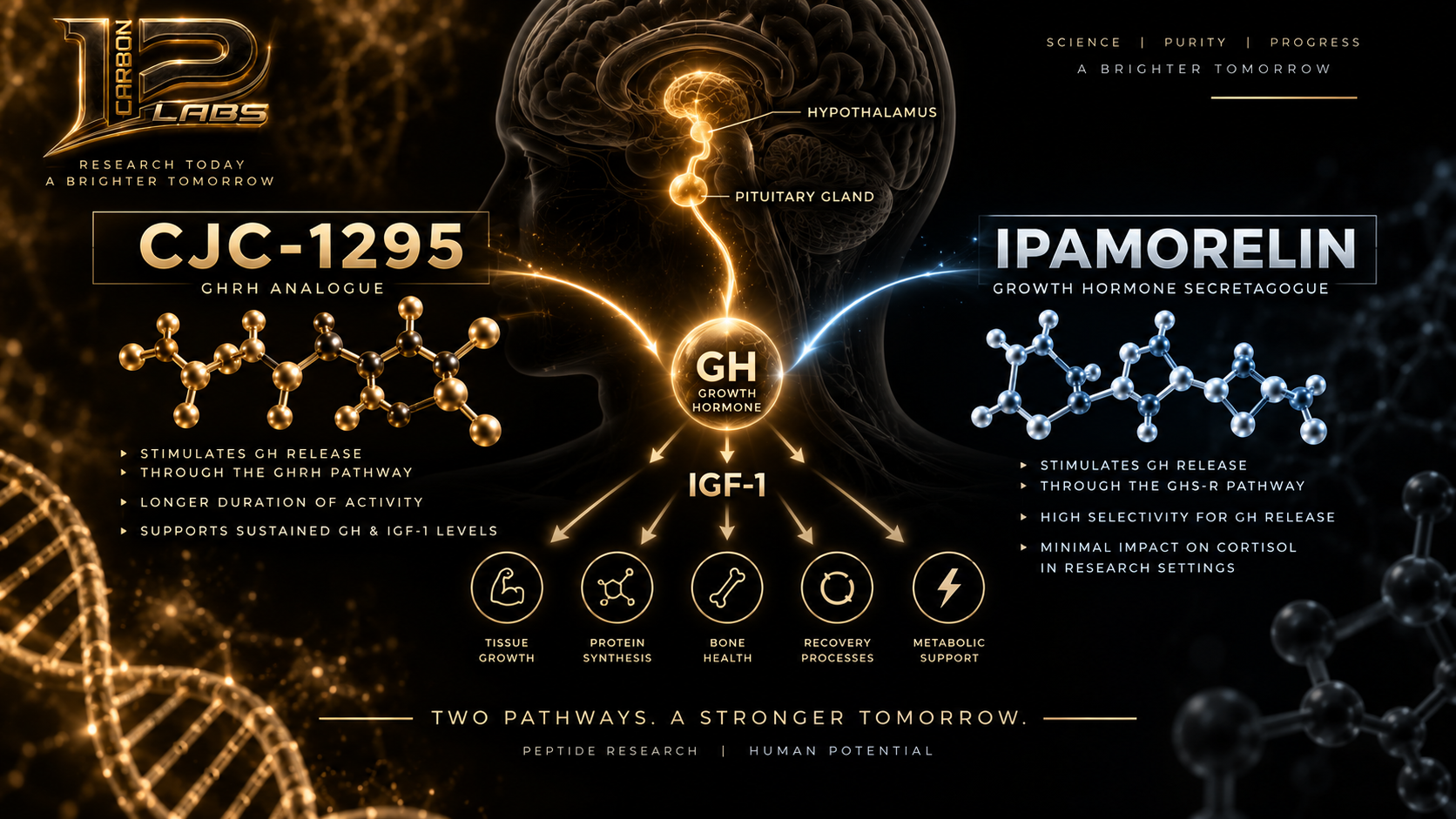
CJC-1295 + Ipamorelin: What’s the Difference and Why Are They Studied Together?

CJC-1295 and Ipamorelin are two distinct peptides studied for their effects on growth hormone signaling. Learn how they …

Semax vs. Selank: What’s the Difference? A Complete Peptide Research Guide

Semax vs. Selank explained: explore the differences between these popular research peptides, including their origins, me…
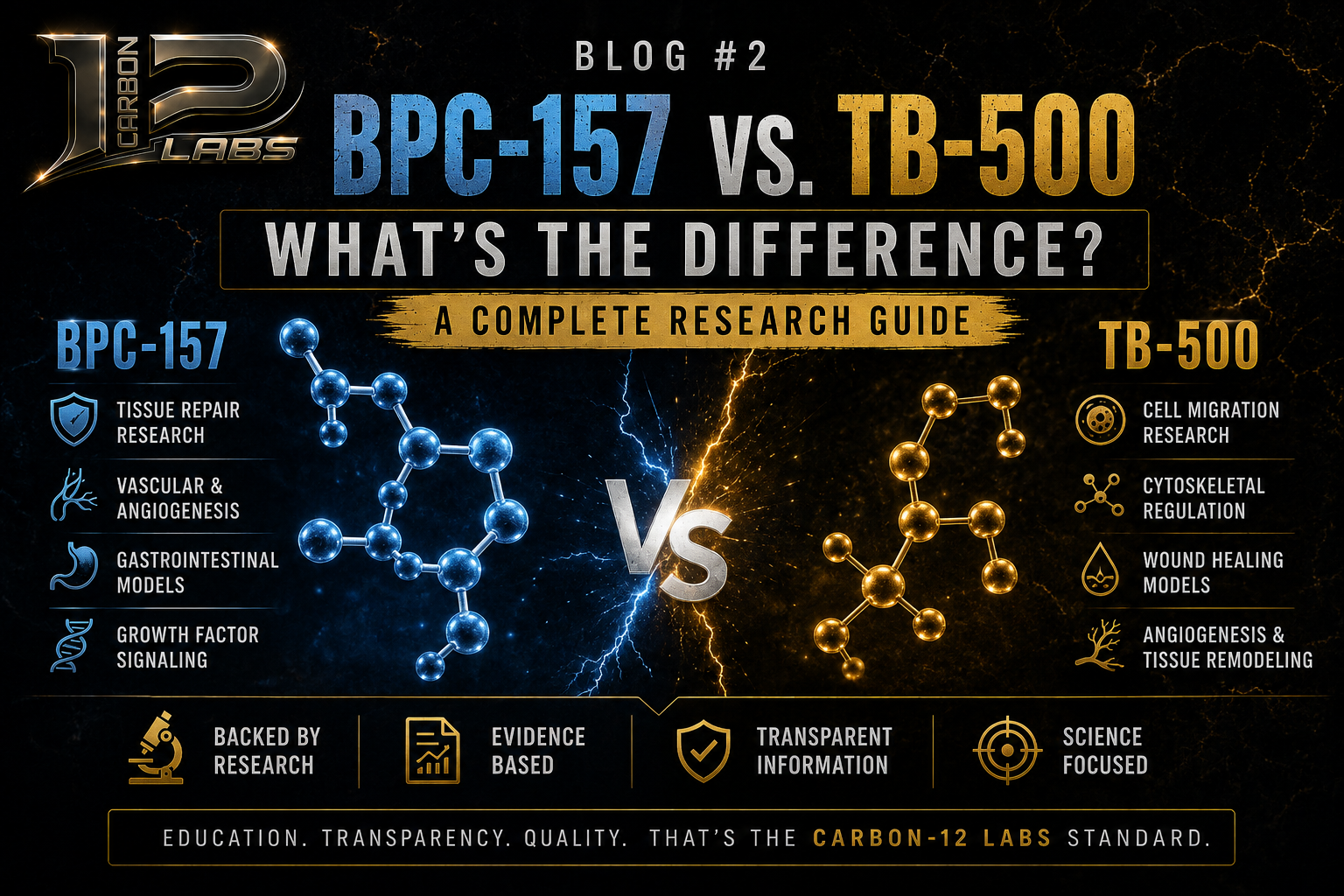
BPC-157 vs. TB-500: What's the Difference? A Complete Research Guide

BPC-157 and TB-500 are two of the most discussed peptides in tissue-repair research. Learn how they differ, what the res…